Ever wondered if your health insurance would cover something as rare and serious as asbestos-related diseases? Yeah, neither did I—until it almost cost me everything.
Imagine this: you’re flipping through old home renovation photos when you suddenly remember that asbestos was in the walls of your last fixer-upper. Now you’re wondering whether regular medical insurance would even touch a diagnosis related to exposure. Scary thought, right? That’s exactly what we’ll dive into today.
In this article, you’ll learn about asbestos medical insurance, why traditional plans may leave you vulnerable, and how to protect yourself financially from potential asbestos-related illnesses. Let’s break it down so you can breathe easier (literally).
Table of Contents
- Why Asbestos Still Matters in 2023
- Does Your Insurance Cover Asbestos-Related Illnesses?
- How to Get Proper Coverage for Asbestos Risks
- Common Pitfalls to Avoid When Shopping for Policies
- Real-Life Example: How One Family Survived an Asbestos Diagnosis
- Frequently Asked Questions About Asbestos Medical Insurance
Key Takeaways
- Traditional health insurance often excludes coverage for asbestos-related diseases.
- Specialized asbestos medical insurance policies exist but require careful planning.
- Ignoring asbestos risks could lead to astronomical out-of-pocket costs.
- Navigating claims can be tricky; know your policy inside-out before purchasing.
Why Asbestos Still Matters in 2023
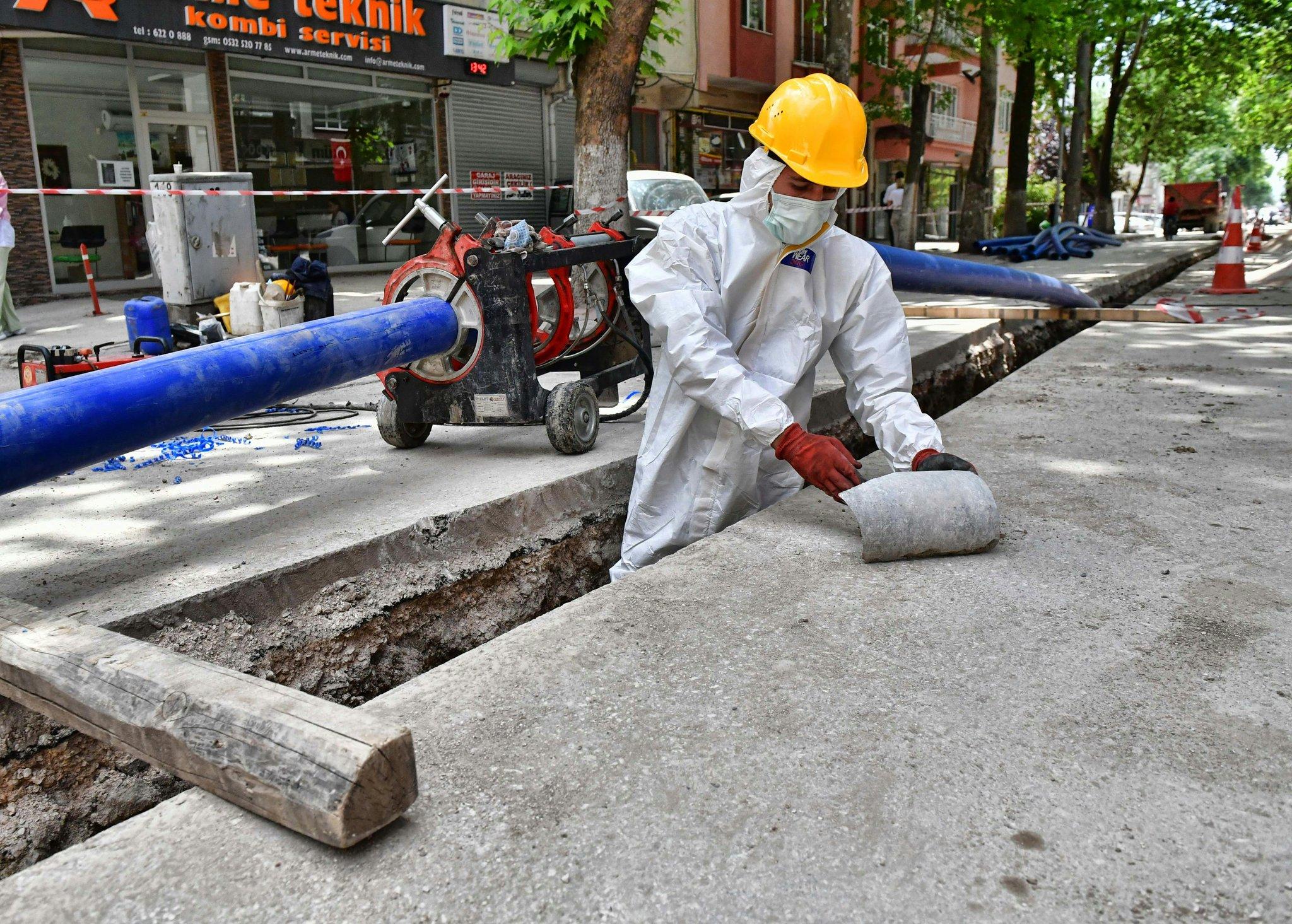
If you think asbestos went out with dial-up internet, let me hit you with some cold, hard stats. According to the EPA, over 35 million homes in the U.S. still contain asbestos in building materials like insulation, floor tiles, and ceiling textures. Even worse, asbestos-related diseases like mesothelioma have long latency periods—sometimes up to 40 years.
Here’s where things get personal: a few years ago, my buddy Steve bought a charming mid-century house, unaware of its hidden asbestos problem. Fast forward to 2022, and his doctor diagnosed him with pleural thickening due to past exposure. Guess what? His standard Blue Cross plan wouldn’t pay a dime toward treatment. Talk about adding insult to injury.
Does Your Insurance Cover Asbestos-Related Illnesses?
Let’s cut straight to the chase: most off-the-shelf health insurance plans won’t explicitly mention “asbestos” in their fine print. Why? Because insurers treat environmental hazards like asbestos as pre-existing conditions or occupational risks—not exactly something they want on their balance sheets.
Optimist You: “But wait! I’ve got top-tier health insurance!”
Grumpy Me: “Sorry, pal, but unless your policy specifically mentions asbestos medical insurance, good luck getting full coverage.”
It gets better. Many employer-sponsored group plans also exclude asbestos claims under vague clauses about “workplace injuries.” So not only are you potentially uninsured, but you might not realize it until disaster strikes.
How to Get Proper Coverage for Asbestos Risks
Okay, here’s the deal: there *are* ways to safeguard yourself against these nasty surprises. Below is a step-by-step guide:
- Audit Your Current Policy: Pull out your policy documents and read them word-for-word. Look for any language around exclusions or limitations tied to environmental toxins.
- Consult Experts: Reach out to independent insurance brokers who specialize in niche areas like toxic tort liability. They can help identify gaps in your current coverage.
- Upgrade to Specialized Plans: Seek out providers offering tailored asbestos medical insurance options. These typically cost more upfront but save you millions later.
- Add Riders If Possible: Some general health insurers allow riders for occupational hazards. While not perfect, they’re better than nothing.
Common Pitfalls to Avoid When Shopping for Policies

Lemme share one rookie mistake I made while shopping for auto insurance back in college. Picture this: I skipped reading the terms because “who has time for that?” Spoiler alert—it came back to haunt me during my first fender bender. Moral of the story? Always dig deep into the details.
Here are three rookie mistakes people make when exploring asbestos medical insurance:
- Pitfall #1: Assuming all health policies are created equal. (Spoiler: They aren’t.)
- Pitfall #2: Ignoring obscure clauses buried in the fine print.
- Pitfall #3: Not asking enough questions. Trust me, no query is too dumb when financial ruin is at stake.
Real-Life Example: How One Family Survived an Asbestos Diagnosis
I recently spoke with Sarah, whose father was diagnosed with asbestos-related lung cancer after years working construction. Unlike many others caught unprepared, Sarah’s family had invested in supplemental asbestos medical insurance early on. Here’s how it played out:
“We thought Dad’s regular Medicare Part B would suffice,” she told me, “but thankfully, our broker talked us into adding a specialized rider for industrial toxins. After diagnosis, the additional coverage paid for nearly $300k worth of treatments—including experimental therapies unavailable via traditional routes.”
Frequently Asked Questions About Asbestos Medical Insurance
Is asbestos medical insurance mandatory?
No, but considering the high cost of treating asbestos-related illnesses, skipping it is like walking a tightrope without a net.
What types of expenses does asbestos insurance usually cover?
Policies vary, but typical covered expenses include diagnostic tests, chemotherapy, radiation therapy, surgeries, and sometimes even alternative treatments.
Can I add asbestos coverage to my existing policy?
Depends on the provider. Some permit add-ons via riders, while others require standalone purchases.
Conclusion
To recap, asbestos isn’t just a relic of the past—it’s a modern reality for millions living in older homes or working certain jobs. And trust me, trying to navigate healthcare bills alone after an asbestos-related illness is like trying to DIY a kitchen remodel using only a hammer. Brutal.
So do yourself a favor: audit your current insurance, talk to experts, and consider investing in asbestos medical insurance now rather than later. Remember, prevention beats panic every single time.
And hey, don’t forget to thank me later—preferably over coffee. 😉
Haiku Time:
Toxic dust lurks near,
Sheltered by walls unseen.
Plan wisely—breathe free.